How to Use Ground Turkey in Ground Beef Recipes

Wondering if you can swap ground turkey for ground beef in your favorite recipes? The answer is yes, and with a few simple tips, you’ll end up with meals that are just as flavorful, moist, and satisfying.

I grew up on a beef cattle farm, so eating ground turkey was not ever an option. I didn’t even know there WAS ground turkey until I moved out and was cooking for myself. After trying it in a few recipes, I loved it! When I met my husband, I still cooked with it, and most of the time he didn’t even know it. Several years ago, he was diagnosed with Alpha-Gal (he was bitten by a Lone Star tick that now causes him to have an allergic reaction to mammal meat); he no longer could eat beef. So I use it all the time now. Ground turkey is one of those easy swaps that can come in handy when you’re trying to lighten up a recipe, have a red meat allergy like Alpha-Gal, or simply want to change things up a bit. The good news is that in many recipes, you can use ground turkey in place of ground beef without making many complicated changes.

That said, ground turkey is naturally leaner and milder in flavor than ground beef, so it sometimes needs a little extra help. Nothing has to be exact, and you don’t need to overthink it, but a few simple adjustments can make a big difference.
Can You Substitute Ground Turkey for Ground Beef?
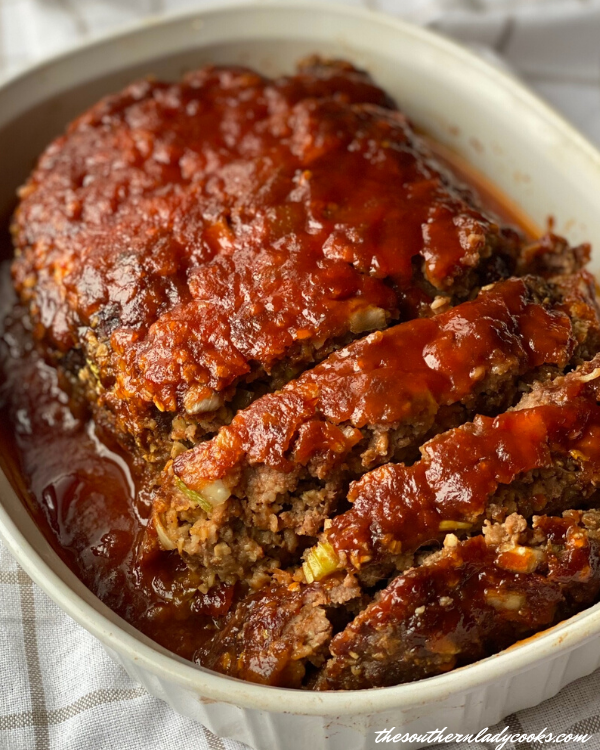
Yes, in most recipes you can substitute ground turkey for ground beef using the same amount. If a recipe calls for 1 pound of ground beef, you can usually use 1 pound of ground turkey. This works especially well in recipes like meatloaf, chili, tacos, sloppy joes, casseroles, pasta dishes, soups, and skillet meals. Recipes with sauce, seasoning, or other flavorful ingredients are usually the easiest places to make the swap.
Add a Little More Seasoning
Ground turkey has a milder flavor than ground beef, so you may want to be a little more generous with your seasonings. A little extra garlic powder, onion powder, black pepper, chili powder, Italian seasoning, Worcestershire sauce, BBQ sauce, or taco seasoning can help bring out more flavor. Don’t worry about measuring every extra pinch perfectly. Ground turkey is very forgiving, and adding a little more seasoning is one of the easiest ways to keep it from tasting bland.
Add Moisture When Needed
Because ground turkey is leaner than ground beef, it can dry out more easily. If you’re using it in a recipe that is already saucy, like chili or spaghetti sauce, you may not need to change much at all.
For recipes like meatloaf, meatballs, burgers, or patties, you may want to add a little extra moisture. Depending on the recipe, this could be a splash of milk, a spoonful of BBQ sauce, ketchup, broth, Worcestershire sauce, or even a little olive oil. If the recipe already has eggs, breadcrumbs, sauce, or vegetables, those will help keep the turkey moist, too.
Choose the Right Ground Turkey
If you want the closest swap for ground beef, look for ground turkey that isn’t extremely lean.
- 85% lean/15% fat-I use this the most. I feel like it mimics ground beef as closely as it can because it’s made with thighs and drumsticks. I love using it for turkey burgers, too!
- 93% lean / 7% Fat to 98% Lean / 2% fat– This ground turkey is made from breast, which makes it have a very low fat content and can tend to be dry. If you want to use this lean of meat, I recommend it for heavily sauced recipes (such as spaghetti or soups).
Keep in mind that higher-fat ground turkey usually gives you better flavor and texture. That doesn’t mean you can’t use the leaner kind. Just know that it may need a little more seasoning and moisture.
Don’t Overcook It
Ground turkey can dry out if it cooks too long, so keep an eye on it. In skillet recipes, cook it until it is no longer pink and has reached the proper temperature, then move on with the recipe instead of letting it continue cooking longer than necessary. For food safety, ground turkey should be cooked to 165 degrees, and a meat thermometer is the best way to check.
Best Recipes for Swapping Ground Turkey
Ground turkey works well in many ground beef recipes, especially those with sauce or plenty of seasoning. Some of the best recipes to try it in are:
- Meatloaf
- Chili
- Tacos
- Sloppy joes
- Spaghetti sauce
- Casseroles
- Stuffed peppers
- Soups
- Pasta bakes
- Skillet meals

When Ground Turkey May Taste Different
Ground turkey will not taste exactly like ground beef, and that’s okay. It has a lighter flavor, so the finished dish may be a little different. In heavily seasoned recipes, most people may not notice much difference at all. In simple recipes where beef is the main flavor, you may notice the swap more. That doesn’t mean it won’t be delicious. It just means you’ll want to season it properly. I cook with it all the time, and honestly, I can’t tell much of a difference at all. Of course, beef has a richer taste, but when seasoned right…the swap is barely noticeable.
Easy Rule to Remember
Use the same amount of ground turkey as ground beef, add a little more seasoning, and make sure the recipe has enough moisture. That’s really all there is to it. Don’t worry about measuring every extra pinch perfectly! It’s just about adding a bit more flavor, and remember, ground turkey is very forgiving! Once you get used to it, you may find yourself using it in all kinds of comforting, everyday recipes.
A Few Other Posts You May Like:
- Mama’s Kitchen Never Let Us Down
- Dinner on Repeat
- The Southern Potluck Dishes We Love
- Why Sunday Dinner Still Matters
Are you reading Front Porch Life Magazine? 💗
SO REFRESHING
★★★★★
I love this magazine, it’s so refreshing, it’s not pretentious at all! Plus every article is warm and inspiring. The photos are gorgeous and of course the recipes all look incredible. It’s so wild that AI is taking over every space, but I know when I read this, it’s all real and no ads is a plus. Thank you for this publication!
KRISTI
© Front Porch Life Magazine photos and text – All rights reserved. No copying, posting on other sites, or other uses allowed without written permission of the copyright holder
